
The DecantX Guide
Fragrance Concentration Guide
From the purest extrait to the lightest eau fraîche, the strength of a perfume shapes its character, its trail and how long it stays with you.
Every fragrance is a balance of precious perfume oils, fine alcohol and a touch of water. The share of oil, its concentration, determines how rich the composition feels on skin, how far it carries and how many hours it lasts. Below, the seven concentrations, from the most intense to the most delicate.
At a glance
The scale of concentration
- 01 Extrait de Parfum20–40% perfume oil 8–12+ hours
- 02 Elixir20–30% perfume oil 8–12 hours
- 03 Parfum15–30% perfume oil 6–10 hours
- 04 Eau de Parfum15–20% perfume oil 6–8 hours
- 05 Eau de Toilette5–15% perfume oil 3–5 hours
- 06 Eau de Cologne2–5% perfume oil 2–3 hours
- 07 Eau Fraîche1–3% perfume oil 1–2 hours
Typical ranges. Real-world performance depends on the composition, your skin and the climate.
The strongest
Extrait de Parfum
The purest, richest form of a fragrance.
- Perfume oil
- 20–40%
- Longevity
- 8–12+ hours
- Sillage
- Close to moderate, very dense
Extrait de parfum, also called extrait or pure perfume, has the highest concentration of perfume oils, typically 20 to 40 percent.
With so little alcohol, an extrait opens softly and unfolds slowly over many hours. It tends to sit closer to the skin than an eau de parfum, with a dense, velvety texture that lasts all day and often into the next morning. One or two sprays are enough.
Best worn
Evenings, special occasions, cold weather and anyone who wants the longest possible wear.
How to apply
Apply one or two sprays to pulse points. Extraits are rich, so less is more.
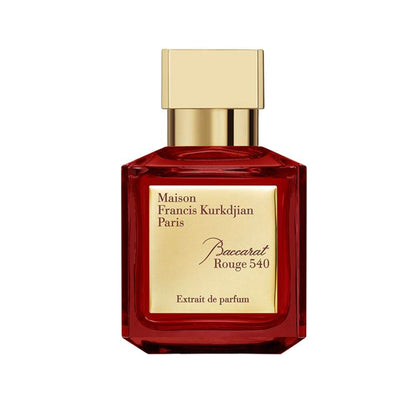
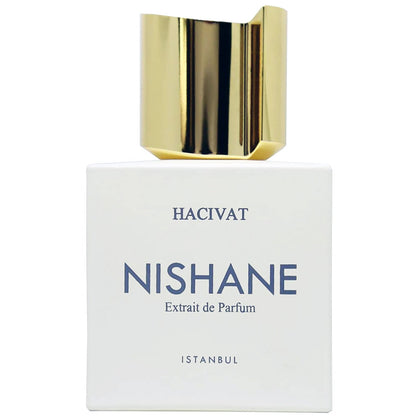
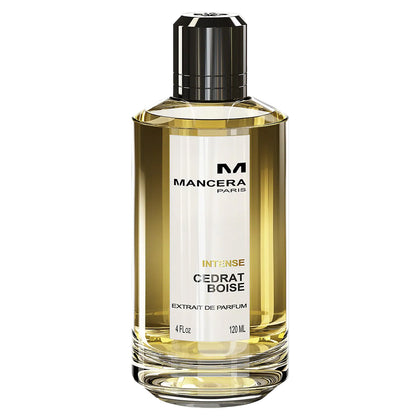
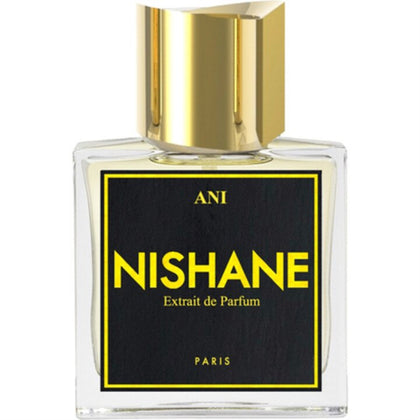
Signature Extrait de Parfum selections
Very strong
Elixir
Darker, denser, more intense versions of a favorite.
- Perfume oil
- 20–30%
- Longevity
- 8–12 hours
- Sillage
- Strong, deep and noticeable
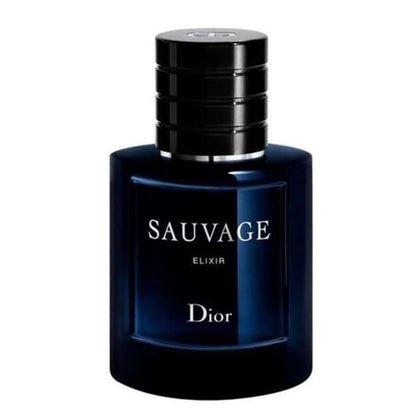
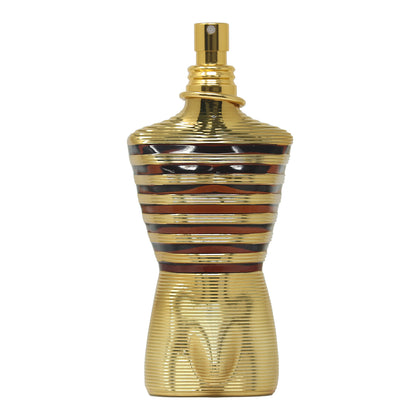
Elixir is the name brands give to their most intense take on a fragrance, as in Dior Sauvage Elixir, YSL Y Elixir or Le Male Elixir.
Elixir is not a regulated concentration, but elixirs are usually as concentrated as a parfum or stronger. The formula is often reworked too: deeper, sweeter, spicier or more resinous than the original, with big projection and excellent longevity.
Best worn
Night out, date night, fall and winter, and fans of a best seller who want the boldest version.
How to apply
Start with one or two sprays. Elixirs are built to project, so they can easily fill a room.
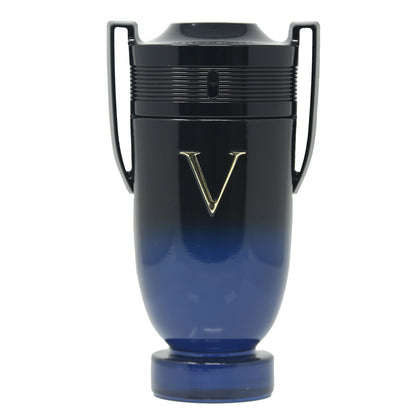
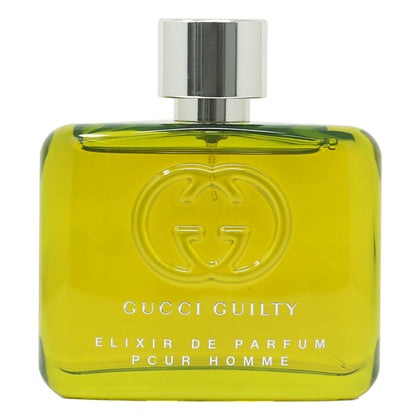
Signature Elixir selections
Strong
Parfum
Rich, smooth and long-lasting.
- Perfume oil
- 15–30%
- Longevity
- 6–10 hours
- Sillage
- Moderate, smooth and rich
Parfum sits near the top of the concentration ladder, with roughly 15 to 30 percent perfume oil.
Many houses release a Parfum version of a best seller, such as Dior Sauvage Parfum, that feels richer, rounder and longer-lasting than the eau de parfum, with less of the sharp alcohol opening. Parfums wear beautifully up close and evolve slowly through the day.
Best worn
All-day wear, the office in cooler months, evenings and anyone with skin that eats fragrance.
How to apply
Two or three sprays is plenty. Spray on moisturized skin for the best longevity.
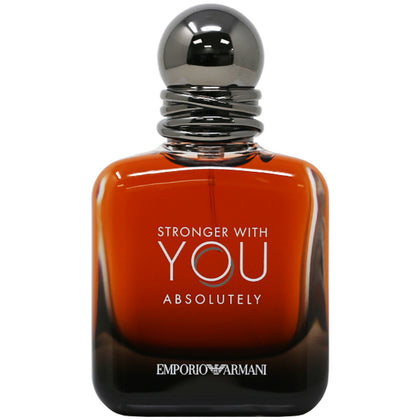
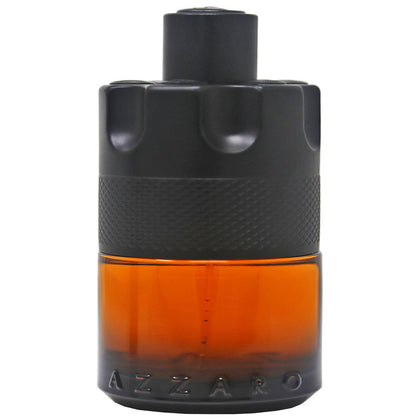
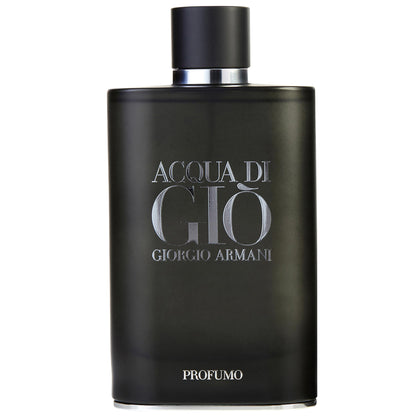
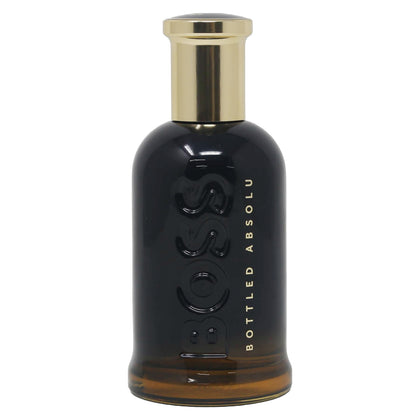
Signature Parfum selections
Medium
Eau de Parfum
The everyday favorite: balanced, lasting and versatile.
- Perfume oil
- 15–20%
- Longevity
- 6–8 hours
- Sillage
- Moderate to strong
Eau de parfum (EDP) is the most popular concentration today, with around 15 to 20 percent perfume oil.
An EDP strikes the balance most people want: a full, rounded scent that projects well for the first few hours and lasts through a workday. It is usually warmer and deeper than the eau de toilette of the same fragrance.
Best worn
Everyday signature scents, work, dinners and year-round wear.
How to apply
Three or four sprays to the neck and chest. Reapply in the evening if needed.
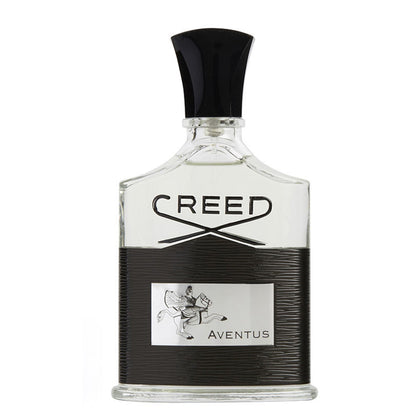
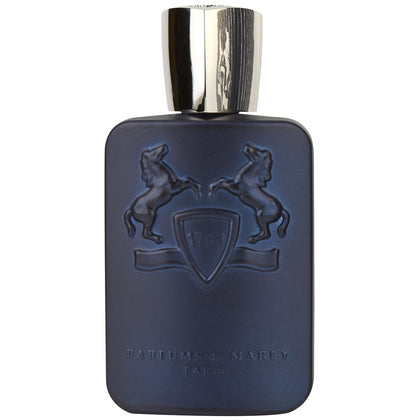
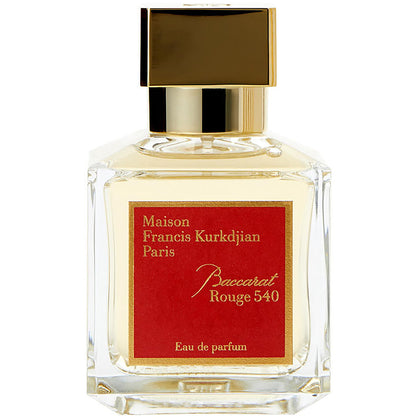
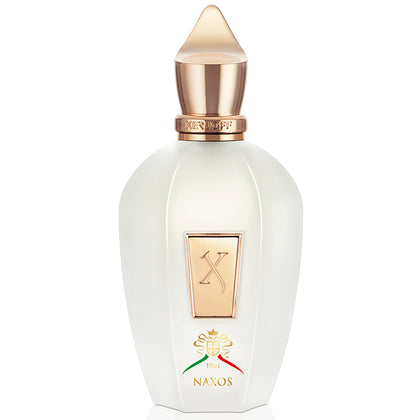
Signature Eau de Parfum selections
Light
Eau de Toilette
Lighter, brighter and made for daytime.
- Perfume oil
- 5–15%
- Longevity
- 3–5 hours
- Sillage
- Bright and fresh, softer over time
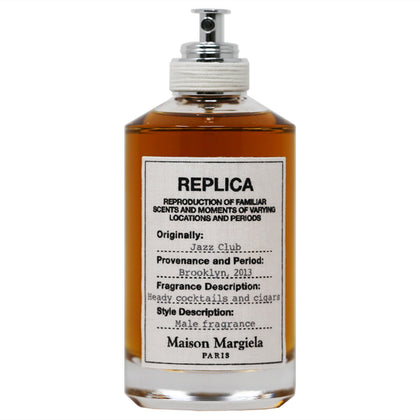
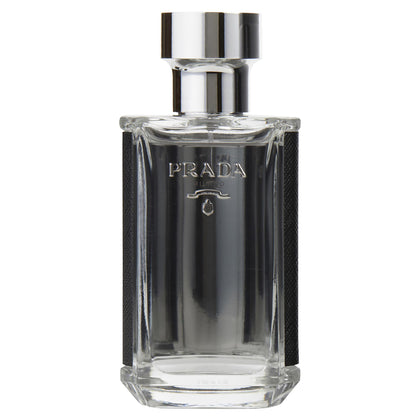
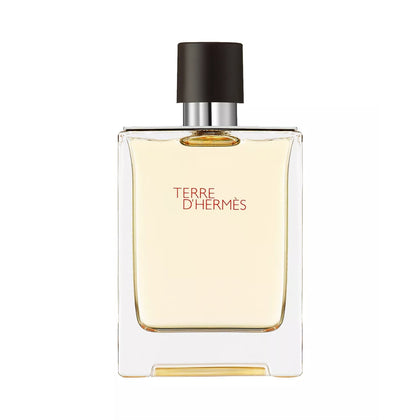
Eau de toilette (EDT) contains roughly 5 to 15 percent perfume oil, which makes it lighter and brighter than an eau de parfum.
EDTs often lead with fresh top notes such as citrus, lavender and herbs, and they can feel loud and sparkling in the first hour before settling closer to the skin. They are a great choice for heat, the gym and the office.
Best worn
Summer, daytime, the office, casual wear and anyone who prefers a lighter touch.
How to apply
Spray generously, four or five sprays, and keep a travel decant handy to refresh.
Signature Eau de Toilette selections

Very light
Eau de Cologne
Fresh, splashy and quick to fade.
- Perfume oil
- 2–5%
- Longevity
- 2–3 hours
- Sillage
- Light, airy and close
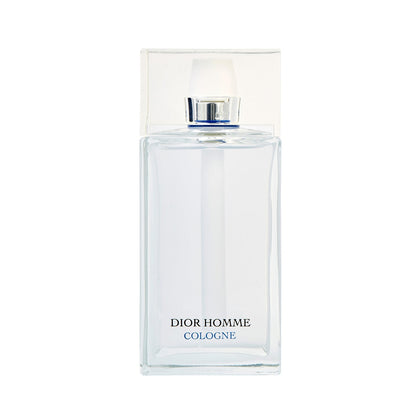
Eau de cologne (EDC) is a light concentration with about 2 to 5 percent perfume oil, rooted in the classic citrus colognes of the 1700s.
Colognes are crisp, uplifting and made to be splashed on freely. They fade within a few hours, which makes them perfect for hot days, after a shower or whenever you want a quick refresh. Some houses, such as Atelier Cologne, make richer colognes that last longer.
Best worn
Hot weather, after the gym, mornings and a quick refresh during the day.
How to apply
Apply freely and reapply often. Spritz on clothing to stretch the wear.
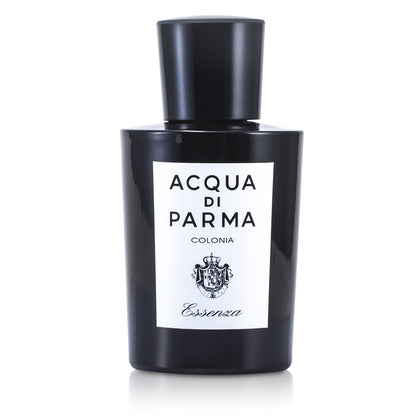
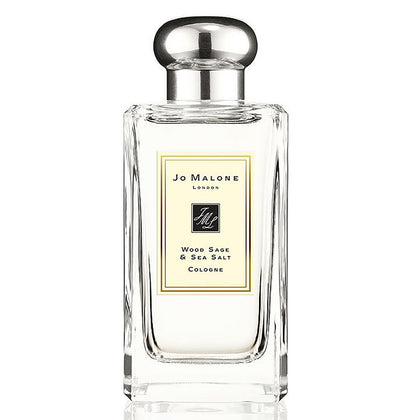
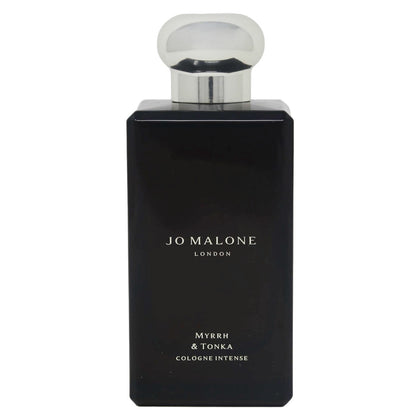
Signature Eau de Cologne selections
The lightest
Eau Fraîche
A sheer, watery mist.
- Perfume oil
- 1–3%
- Longevity
- 1–2 hours
- Sillage
- Sheer and subtle
Eau fraiche means fresh water. It is the lightest form of fragrance, with only about 1 to 3 percent perfume oil and mostly water.
Brands often use the name for summer flankers that are lighter and more transparent than the original, such as Versace Man Eau Fraiche. These are usually sold as eau de toilette, so you will find them in that collection.
Best worn
Very hot days, the beach and a subtle, barely-there scent.
How to apply
Spray freely all over and reapply whenever you like.
One fragrance, several strengths
Same fragrance, different strengths
Many celebrated fragrances exist in more than one concentration. Each keeps the signature of the original while shifting its balance: lighter versions feel brighter and more airy, stronger ones deeper, smoother and longer-lasting.
Our advice
Choosing your concentration
Warm days and the office
Eau de toilette or eau de cologne: fresh, light and discreet in close company.
A daily signature
Eau de parfum: the finest balance of presence, versatility and value.
Evenings and cooler seasons
Parfum or elixir: richer, warmer and composed to last through the night.
Ultimate depth
Extrait de parfum: the most concentrated expression, worn in a single spray or two.
Undecided? Wear two concentrations of the same fragrance, one on each wrist, and notice which one is still with you at the end of the day.
Questions
Fragrance concentration FAQ
What is the strongest fragrance concentration?
Extrait de parfum has the highest share of perfume oil, typically 20 to 40 percent, with elixirs and parfums close behind. Strongest in concentration does not always mean loudest: extraits often wear closer to the skin, but they last the longest.
What is the difference between parfum and extrait de parfum?
The two names once meant the same thing. Today many brands use parfum for a richer version of a fragrance at roughly 15 to 30 percent oil, while extrait de parfum signals the most concentrated version, often 20 to 40 percent, especially in niche perfumery.
Is an elixir stronger than a parfum?
Usually, yes. Elixir is not a regulated term, but brands use it for their most intense interpretation of a fragrance, typically at parfum strength or higher and with a deeper, reworked formula.
What is the difference between eau de parfum and eau de toilette?
Eau de parfum has about 15 to 20 percent perfume oil and lasts around 6 to 8 hours, with a fuller, warmer feel. Eau de toilette has about 5 to 15 percent and lasts around 3 to 5 hours, with a brighter, fresher opening. Two versions of the same fragrance can smell noticeably different.
Does a higher concentration mean more projection?
Not always. Alcohol helps lift a scent off the skin, so a fresh eau de toilette can feel loud for the first hour. More perfume oil mainly means a denser scent and longer wear, and many extraits stay closer to the skin.
Which concentration is best for summer or the office?
Eau de toilette and eau de cologne are ideal for heat and close quarters. Save parfums, elixirs and extraits for evenings, date nights and cooler weather, and use fewer sprays.
Why try different concentrations as decants?
The same fragrance can change a lot between its EDT, EDP, parfum and elixir. Decants let you compare versions side by side on your own skin before you buy a full bottle.